

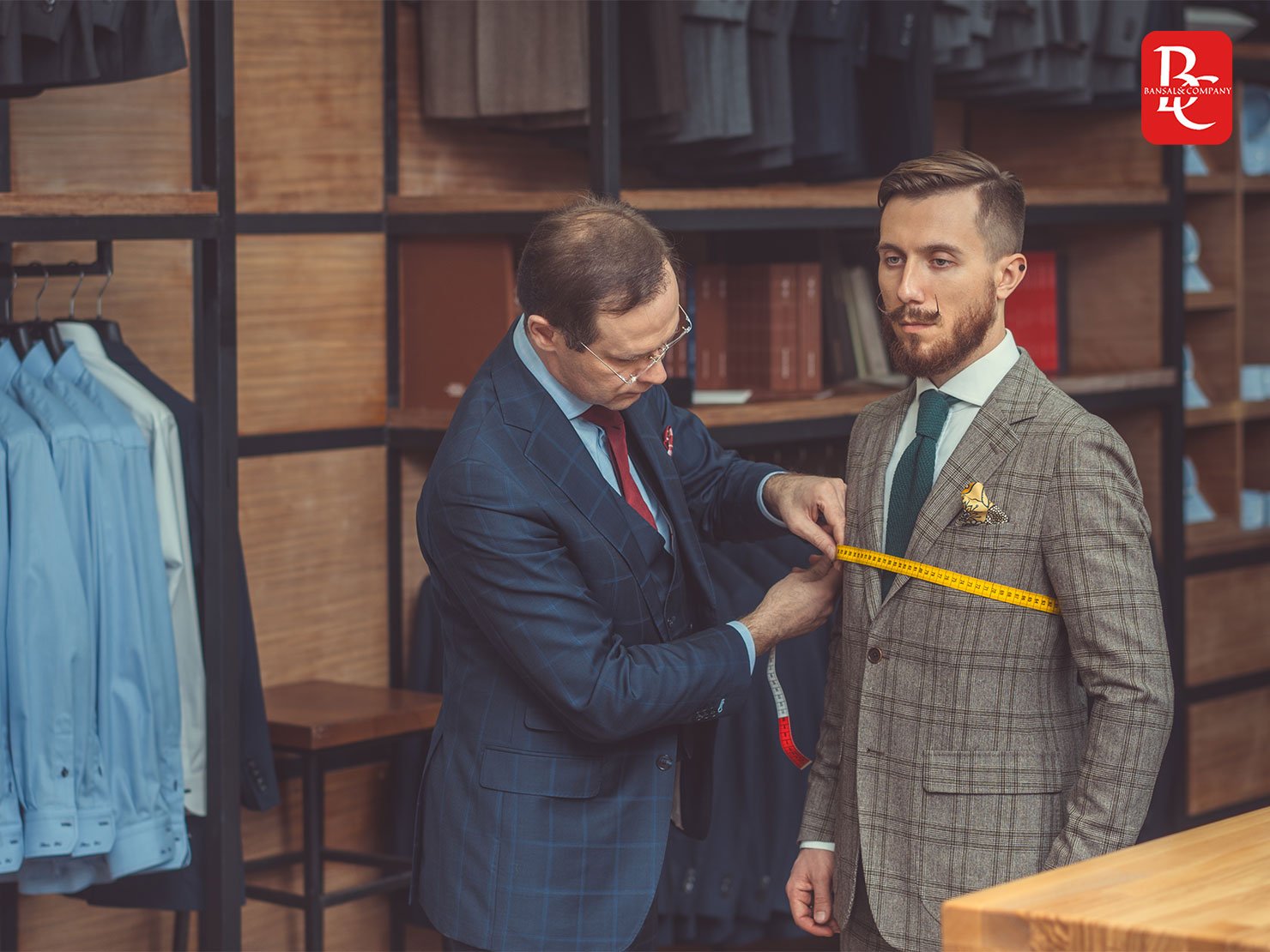
Choosing the right suit is about more than simply picking a colour or pattern that looks good. A well-chosen suit should fit comfortably, suit the occasion, complement your body shape, and reflect your personal style. Whether you are preparing for a wedding, attending an important business meeting, going to a formal event, or building a professional wardrobe, the right suit can make a strong difference in your overall appearance.
For men in Chandigarh, there are many options available when shopping for formal and occasion wear. However, with so many fabrics, cuts, colours, fits, and styles available, choosing the right suit can sometimes feel confusing. Understanding the basics of suit fitting, fabric selection, construction, colours, and styling can make the process much easier.
At Bansal & Co., men can explore a range of formal and occasion-wear options designed to suit different styles, preferences, and events. If you are looking for the Best men suits in Chandigarh or want to explore Best premium fabric suits Chandigarh, this guide will help you understand what to look for before making your choice and how to select a suit that offers the right balance of style, comfort, fit, and sophistication.
Why Choosing the Right Suit Matters
A suit is one of the most important pieces of formal menswear. Unlike casual clothing, a suit has multiple elements that work together to create a structured appearance. The jacket, trousers, shirt, shoes, accessories, and overall fit all contribute to the final look.
A good suit should make you feel comfortable and confident while maintaining a polished appearance. Even an expensive suit may not look right if the fit is incorrect. Similarly, a simple, well-fitted suit made from quality fabric can create an elegant and sophisticated appearance.
The right suit should provide:
- A comfortable fit
- Clean and balanced proportions
- Appropriate fabric for the occasion and weather
- A suitable colour and pattern
- Quality construction
- Easy movement
- A style that matches your personality and purpose
This is why it is important to consider more than just the price or appearance of a suit when shopping.
Step 1: Understand Different Types of Suit Fits
Fit is one of the most important factors when choosing a suit. The same fabric and colour can look completely different depending on how the suit fits your body.
Generally, men’s suits are available in three broad fit categories: slim fit, modern or tailored fit, and classic fit.
Slim Fit
Slim-fit suits have a narrower cut through the chest, waist, and trousers. They usually create a sharper and more contemporary appearance.
Slim fits can work well for men who prefer modern fashion and a more streamlined silhouette. However, the suit should never feel excessively tight. You should be able to button the jacket comfortably, move your arms, sit down, and walk without restriction.
Tailored or Modern Fit
A tailored or modern fit offers a balance between a slim and classic cut. It follows the natural shape of the body without being excessively tight.
This is a versatile option for business meetings, weddings, formal events, and other occasions. For many men, a well-tailored modern fit is an excellent starting point because it offers both comfort and structure.
Classic Fit
Classic-fit suits generally provide more room through the chest, waist, and trousers. They offer greater freedom of movement and have a traditional appearance.
Classic fits can be particularly useful for men who prioritise comfort or prefer a timeless style. They can also be appropriate for formal and professional environments where a traditional appearance is preferred.
Step 2: Pay Attention to the Shoulders
When trying on a suit, start by checking the shoulders.
The shoulder seam should sit close to the natural edge of your shoulder. It should not extend too far beyond the shoulder, and it should not pull inward.
A jacket with shoulders that are too wide may look oversized, while shoulders that are too narrow can create visible tension or wrinkles.
The shoulders are also one of the more difficult areas to alter significantly. Therefore, getting the shoulder fit right from the beginning is extremely important.
Step 3: Check the Jacket Length
The length of the jacket affects the overall proportion of your body.
A traditional suit jacket generally covers the seat of the trousers and creates a balanced visual relationship between the upper and lower body. Modern suit styles may vary slightly in length, but the jacket should still look proportional to your height and body structure.
If the jacket is excessively short, the suit can appear unbalanced. If it is too long, it may make the wearer look smaller or overwhelmed by the clothing.
When selecting a suit, consider your height, body proportions, and the overall style you want to achieve.
Step 4: Make Sure the Jacket Closes Comfortably
A properly fitting jacket should button without excessive pulling or stretching.
For a two-button jacket, the upper button is generally the main button used when the jacket is fastened. When buttoned, the fabric should lie relatively flat without creating strong horizontal lines.
If the jacket creates significant tension around the stomach or chest, you may need a larger size or a different cut.
At the same time, a jacket should not be excessively loose. Too much extra fabric can make the suit appear oversized and reduce its clean structure.
Step 5: Check the Sleeves
Sleeve length is another important detail.
A suit jacket sleeve should generally allow a small amount of shirt cuff to show beyond the jacket sleeve. The exact amount can vary according to personal preference and tailoring style.
If the sleeves are too long, the hands may appear visually smaller and the suit can look untidy. If they are too short, the jacket may appear incorrectly fitted.
Sleeve length is often adjustable, which means minor tailoring can help create a more precise finish.
Step 6: Choose the Right Trouser Fit
A suit is not complete without properly fitting trousers.
The waistband should sit comfortably without being excessively tight. You should be able to sit, stand, and walk comfortably.
The trousers should follow the natural shape of your legs without becoming excessively narrow.
Another important factor is trouser length. Traditional trousers may have a slight break where the fabric meets the shoe, while modern styles may have less break.
Your choice can depend on your personal style, body proportions, and the overall design of the suit.
Step 7: Understand Suit Fabrics
Fabric has a major impact on how a suit feels, looks, and performs.
When selecting a suit, think about the climate, season, occasion, frequency of use, and level of formality.
Wool
Wool is one of the most popular suit fabrics because of its versatility, appearance, and comfort.
Good-quality wool can provide breathability and a polished finish. It is available in different weights and weaves, making it suitable for different seasons and occasions.
Wool suits can be appropriate for business meetings, formal events, weddings, and professional wardrobes.
Wool Blends
Wool blends combine wool with other fibres to achieve specific characteristics. Depending on the blend, these fabrics may offer increased durability, wrinkle resistance, or different textures.
They can be practical for men who want a balance between appearance, performance, and everyday usability.
Linen
Linen is lightweight and breathable, making it particularly suitable for warm weather.
Linen suits often have a relaxed and natural appearance. They can be a good choice for summer weddings, daytime events, destination celebrations, and less formal occasions.
However, linen naturally wrinkles more easily than many other suit fabrics, which is part of its characteristic appearance.
Cotton
Cotton suits offer a more relaxed alternative to traditional formal wool suits.
They can work well for casual business settings, daytime events, and smart-casual occasions. Cotton is generally comfortable and suitable for warmer conditions.
Velvet
Velvet can create a rich and distinctive appearance. It is often used for evening events, celebrations, parties, and special occasions.
Because of its texture and visual presence, velvet is usually more suitable for statement dressing than everyday business wear.
Step 8: What Makes a Premium Suit Fabric?
When people search for Best premium fabric suits Chandigarh, it is important to understand that premium fabric is not simply about the fabric being expensive.
The quality of a suit fabric can be influenced by several factors, including:
- Fibre quality
- Yarn quality
- Weave
- Fabric weight
- Finishing
- Durability
- Breathability
- Texture
- Appearance
- Intended use
For example, a lightweight wool fabric may be excellent for warm weather, while a heavier wool fabric may be more appropriate for cooler conditions.
Instead of choosing a fabric only because it is labelled premium, consider how it will perform in your lifestyle and the occasions for which you intend to wear it.
Step 9: Select the Right Suit Colour
Colour is another major consideration.
Navy
Navy is one of the most versatile suit colours. It can work for business meetings, weddings, formal events, and professional occasions.
A well-fitted navy suit can easily become one of the most useful pieces in a man’s wardrobe.
Charcoal Grey
Charcoal grey provides a sophisticated and professional appearance. It is particularly suitable for office environments, formal meetings, interviews, and evening events.
Black
Black suits are traditionally associated with formal occasions. They can be suitable for evening functions, formal ceremonies, and certain professional settings.
However, black may not always be the most versatile choice for everyday business wear.
Light Grey
Light grey can create a fresh and contemporary appearance. It is particularly useful for daytime events and warmer seasons.
Brown and Earth Tones
Brown, beige, and other earthy colours can offer a more relaxed and distinctive appearance. They may work well for daytime events, weddings, social occasions, and smart-casual settings.
Step 10: Think About the Occasion
The right suit depends heavily on where you plan to wear it.
A wedding suit does not necessarily need to look like a business suit. Similarly, a suit intended for regular office use should be practical enough for frequent wear.
Business Suit
For professional environments, consider classic colours such as navy, charcoal, and medium grey. Subtle patterns can also work well.
Keep accessories understated and choose polished shoes that complement the suit.
Wedding Suit
Weddings provide more flexibility. Depending on the dress code, you can consider different colours, textures, patterns, and accessories.
A well-tailored suit in a richer fabric can create a sophisticated wedding look.
Evening Event
Evening events can allow darker colours and more distinctive textures. Depending on the occasion, you might consider darker wool, velvet, or refined textured fabrics.
Casual or Semi-Formal Event
For less formal events, lighter colours, linen, cotton, textured fabrics, and separates can provide a relaxed but polished appearance.
Step 11: Choose Between Solid, Striped and Checked Suits
Patterns can change the overall character of a suit.
Solid Suits
Solid suits are highly versatile. Navy, charcoal, grey, and black solids can easily be styled with different shirts and accessories.
They are particularly useful when building a practical wardrobe.
Pinstripes and Stripes
Striped suits create a more traditional business appearance. Depending on the stripe width and colour, they can look either subtle or more distinctive.
Checks
Checked suits can add personality to an outfit. Windowpane, subtle checks, and other patterns can work well for weddings, social events, and modern business wardrobes.
If you are purchasing your first suit, a solid colour may provide greater versatility.
Step 12: Consider the Suit Construction
Two suits made from similar fabrics can feel different because of their construction.
Construction refers to how the different layers and components of the jacket are put together.
Some jackets use more structured construction, while others are designed to be lighter and more flexible.
A structured suit can provide a sharper appearance, while a lightweight construction may provide greater comfort, particularly in warmer weather.
The choice should depend on your preferences, climate, occasion, and how frequently you plan to wear the suit.
Step 13: Pay Attention to Suit Details
Small details can significantly affect the overall appearance of a suit.
Consider the following:
Lapels
Common lapel styles include notch, peak, and shawl lapels.
Notch lapels are highly versatile and common in business suits. Peak lapels create a more formal and distinctive appearance. Shawl lapels are commonly associated with eveningwear and tuxedo-style jackets.
Buttons
The number and arrangement of buttons can influence the appearance of a jacket.
Two-button jackets are highly versatile, while other configurations can create different visual effects.
Pockets
Pocket styles can range from traditional flap pockets to more formal or decorative designs. The choice should match the intended use of the suit.
Lining
The lining can influence comfort and the overall finish of the jacket. Depending on the construction, some suits may have full lining, partial lining, or lighter construction.
Step 14: Don’t Ignore Alterations
Even a well-made suit may require minor alterations.
Tailoring can help adjust:
- Sleeve length
- Trouser length
- Waist
- Jacket body
- Trouser taper
- Other small fit details
However, alterations have limits. It is better to start with a suit that fits well in important areas such as the shoulders and chest rather than relying on extensive alterations to correct an unsuitable size.
A professional fitting can help identify the adjustments needed to create a cleaner silhouette.
Step 15: Match Your Suit With the Right Shirt
Once you select the suit, the shirt should complement it.
White shirts are among the most versatile choices. Light blue shirts can also work exceptionally well with navy, grey, and charcoal suits.
For weddings and social events, depending on the suit, you can experiment with subtle colours and patterns.
The shirt collar should also work with the jacket’s lapel and your face shape. Avoid choosing a shirt simply because its colour looks attractive on its own. Consider the complete outfit.
Step 16: Choose the Right Shoes
Shoes can significantly influence the formality of your suit.
Black shoes generally work well with black, charcoal, and many darker formal suits.
Brown shoes can complement navy, blue, grey, and certain lighter suits. The shade of brown should be considered carefully when creating the complete outfit.
For formal occasions, polished leather footwear is generally a safe choice. For less formal looks, loafers or other refined footwear may be appropriate depending on the outfit.
Step 17: Use Accessories Carefully
Accessories should complement the suit rather than overpower it.
Common accessories include:
- Pocket squares
- Ties
- Belts
- Watches
- Cufflinks
- Tie clips
- Formal shoes
A pocket square can add personality, while a tie can introduce colour or pattern.
Avoid matching every accessory in exactly the same colour. Instead, aim for coordination.
For example, the tie can complement the pocket square without being an exact match.
Step 18: Consider Chandigarh’s Climate
Climate should also influence your fabric selection.
Chandigarh experiences hot summers, monsoon conditions, and cooler winters. Therefore, having different suit fabrics for different seasons can make your wardrobe more practical.
For warmer conditions, lightweight wool, linen, cotton, and breathable blends can provide greater comfort.
For cooler months and evening events, medium-weight or heavier fabrics may be more appropriate.
If you attend frequent events throughout the year, consider building a wardrobe that includes both lightweight and heavier options.
Step 19: Decide Whether You Need One Suit or Multiple Suits
If you are purchasing your first suit, focus on versatility.
A navy or charcoal suit can provide multiple styling options and work across professional and social occasions.
As your wardrobe grows, you can add:
- Grey suits
- Black formal suits
- Checked suits
- Wedding suits
- Summer suits
- Textured jackets
- Tuxedo or eveningwear
Building your wardrobe gradually allows you to select pieces based on your actual lifestyle rather than buying suits that remain unused.
Step 20: Choose Quality Over Trends
Fashion trends change, but a well-made suit can remain useful for years.
Instead of selecting a suit purely because a particular style is currently popular, consider whether the design will continue to look appropriate in the future.
Classic colours, quality fabrics, balanced proportions, and good tailoring tend to remain useful across different occasions.
This is especially important when investing in premium menswear.
Why Professional Guidance Can Help
Selecting the right suit involves several decisions, including fabric, fit, colour, construction, styling, and occasion.
Professional guidance can make the process easier, particularly if you are unsure about which cut or fabric works for you.
A knowledgeable menswear specialist can help you compare different fabrics, understand fit options, select suitable colours, and identify tailoring adjustments.
For customers looking for the Best men suits in Chandigarh, the shopping experience should not be limited to choosing a ready-made garment from a rack. The focus should be on finding a suit that fits your requirements and can be styled appropriately for your occasions.
Why Fabric Selection Should Not Be Overlooked
Many men focus heavily on the colour and design of a suit but overlook fabric.
Fabric affects how the suit feels against your skin, how it drapes, how breathable it is, how easily it wrinkles, and how appropriate it is for different seasons.
If you are specifically searching for Best premium fabric suits Chandigarh, ask questions about the fabric before making your decision.
Consider:
- What fibre is used?
- Is the fabric suitable for Chandigarh’s climate?
- Is it designed for frequent use or special occasions?
- How should it be maintained?
- Does the fabric hold its shape?
- Is the texture appropriate for the occasion?
These questions can help you make a more informed purchase.
Common Mistakes Men Make When Buying Suits
Avoiding common mistakes can make the buying process easier.
Choosing the Wrong Size
A suit that is too tight or too loose can affect the entire appearance. Always prioritise fit.
Focusing Only on Price
Price alone does not determine whether a suit is right for you. Consider fabric, construction, fit, finishing, and intended use.
Choosing a Trend Over Versatility
Very fashionable designs may not work for every occasion. If you are purchasing your first suit, consider versatility.
Ignoring the Trousers
The trousers are just as important as the jacket. Check the waist, thigh, leg shape, and length.
Selecting Fabric Without Considering the Weather
A heavy fabric may be uncomfortable during hot weather, while an extremely lightweight fabric may not be ideal for certain winter occasions.
Overdoing Accessories
Too many accessories can distract from the suit. Keep the overall appearance coordinated and balanced.
How to Build a Practical Suit Wardrobe
A practical wardrobe does not require dozens of suits.
You can start with a versatile navy suit, followed by a charcoal or grey suit. Once you have these essentials, you can introduce patterns, lighter colours, textured fabrics, and special-occasion styles.
For weddings and celebrations, you can add more distinctive options according to your personal style.
The goal is to have suits that serve different purposes while maintaining consistent quality and fit.
Finding the Right Suit in Chandigarh
Chandigarh has a strong market for men’s formalwear, wedding clothing, and premium fabrics. When comparing suit options, do not simply look at the colour or brand.
Take time to assess the fabric, fitting, construction, styling options, and tailoring support.
If you are searching for the Best men suits in Chandigarh, look for a menswear store where you can explore different cuts and fabrics and receive guidance based on your requirements.
Likewise, if your priority is finding Best premium fabric suits Chandigarh, focus on fabric quality, comfort, finishing, durability, and suitability for the occasion.
At Bansal & Co., the focus is on helping customers make informed choices in men’s formalwear by considering the complete outfit rather than just one element of the suit.
Final Thoughts
Choosing the right suit becomes much easier when you understand the fundamentals of fit, fabric, colour, construction, and styling.
Start with the occasion. Then consider the climate, fabric, fit, colour, and personal style. Pay particular attention to the shoulders, jacket length, trouser fit, and overall comfort. A professional alteration can further improve the fit and create a cleaner appearance.
For a versatile wardrobe, classic colours such as navy and charcoal are useful starting points. Once you have these essentials, you can explore checked patterns, lighter fabrics, distinctive textures, and occasion-specific styles.
If you are searching for the Best men suits in Chandigarh or exploring Best premium fabric suits Chandigarh, take the time to compare your options rather than choosing the first suit that looks attractive.
A well-selected suit should not only look good when you first wear it. It should fit comfortably, suit the occasion, work with the rest of your wardrobe, and continue to remain useful over time.
The right combination of quality fabric, appropriate fit, thoughtful styling, and professional tailoring can turn a simple suit into a reliable part of your wardrobe for business meetings, weddings, celebrations, and formal occasions.esting in a stylish business suit, a luxurious wedding outfit, or an elegant 3-piece ensemble, the art of perfect fit will always remain the foundation of great men’s fashion.